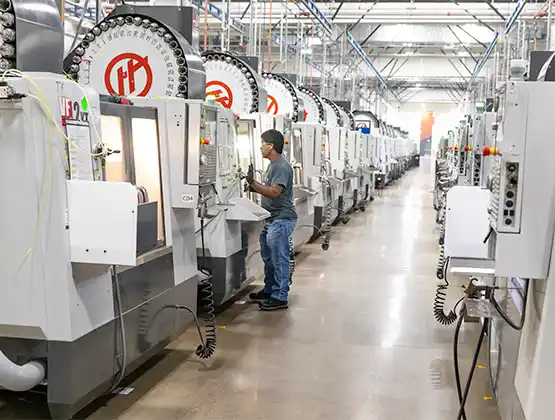
I started in mechanical engineering, focused on systems, constraints, and how things actually work. Today, I apply that same thinking to growth, structuring how it operates, not adding more tactics.
Early on, I explored different roles while studying, working in environments where I could see how businesses actually operate.
What drew my attention wasn’t theory, it was the process: sourcing, building, selling, and delivering something people value.
That’s what led me to move from engineering into business, with a growing focus on how operations and demand connect.
I was less interested in individual roles, and more in understanding how the whole system works.
Building something from zero changes how you see business.
Running both production and sales, I saw the gap between having a product and actually creating demand for it.
That’s where it became clear: growth doesn’t come from separate efforts, it comes from how everything is structured to work together.
Moving to Europe exposed me to more structured environments, where growth wasn’t improvised, it was designed.
Working on e-commerce and digital projects, I saw how strategy, execution, and measurement connect when systems are properly built.
It reinforced something simple: scale doesn’t come from doing more, it comes from structuring better.
Today, I structure go-to-market systems in more complex environments, where channels, teams, and data need to align.
The challenge isn’t adding more, it’s making sure everything works together in a way that actually drives results.
Different context, same principle: growth is a system, not a collection of tactics.

Whether it’s building from zero, scaling e-commerce, or structuring growth in complex organizations, the problem remains the same.
What drives results isn’t the channel or the tactic, it’s how everything connects.