Growth rarely comes from a single campaign, tool, or channel.
It comes from how people, processes, and systems work together.
Most companies don’t struggle because they lack tools. They struggle because every tool, team, and process operates independently.
Growth becomes easier when the structure comes first: understanding who we’re trying to reach, how opportunities are created, and how different activities support the same objective.
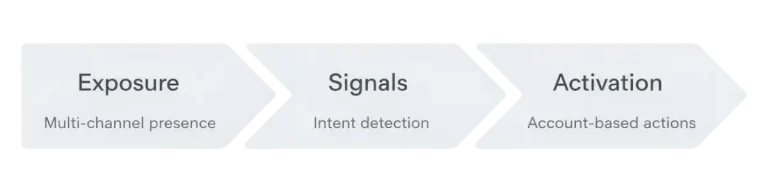
One of the biggest lessons I’ve learned is that growth rarely starts when someone fills out a form or speaks to sales.
People need to know who you are before they need you. They need to see your brand, understand what you do, and build familiarity over time.
Whether I was running a small clothing brand, working in e-commerce, or building ABM programs across Europe, the principle remained the same: opportunities are easier to create when visibility already exists.
That’s why I focus on building presence first. The goal isn’t to be everywhere. It’s to be visible to the right people, in the right places, before intent appears.
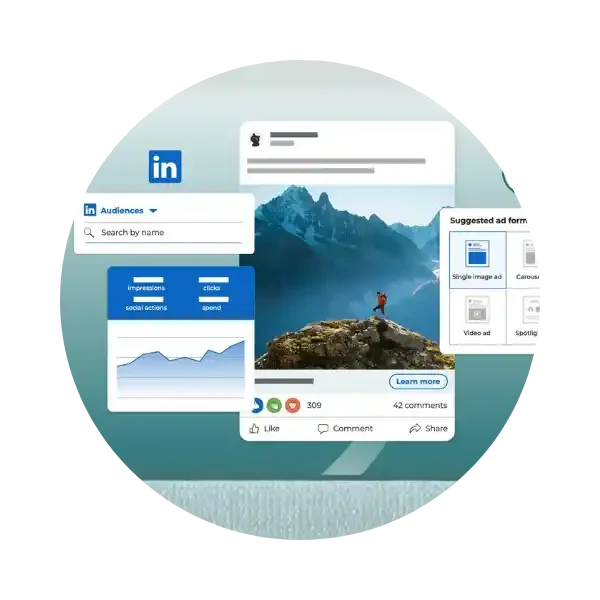
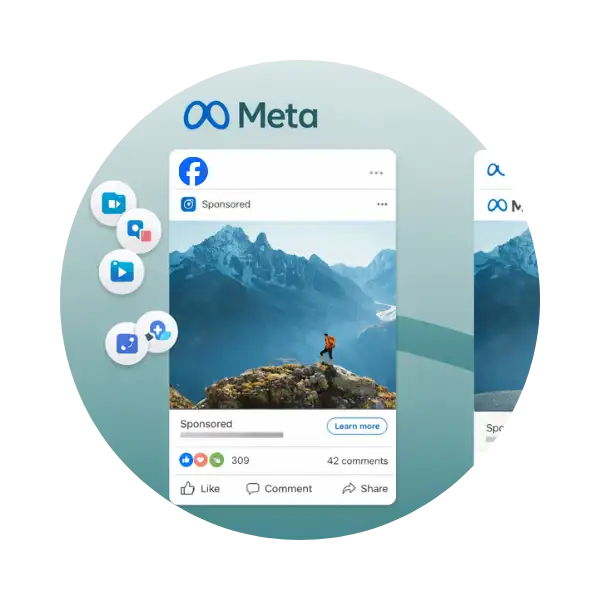
Most people don’t wake up one morning ready to buy. They explore, compare, research, and engage long before they ever speak to someone.
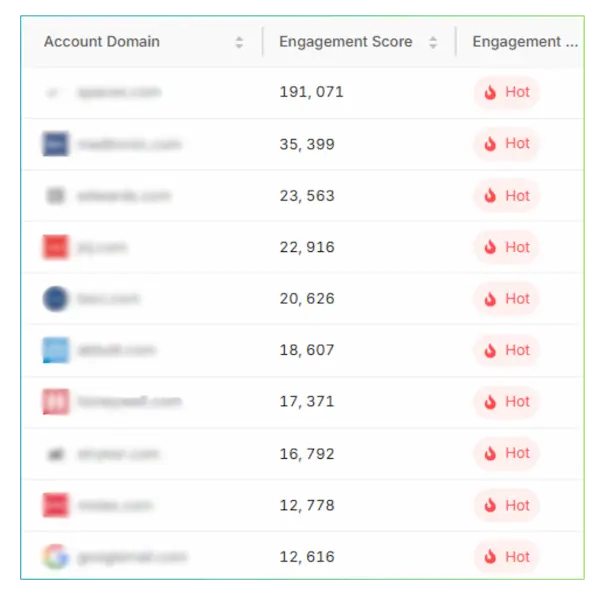
Over time, those actions start forming a pattern. A visit to a key page, repeated engagement with content, or increased activity from the same company.
That’s where tools like Factors.ai, Demandbase, or 6sense, become useful. Not because the tools create intent, but because they help reveal where interest is already developing.
That’s when decisions become more informed, conversations become more relevant, and effort is directed where it matters most.
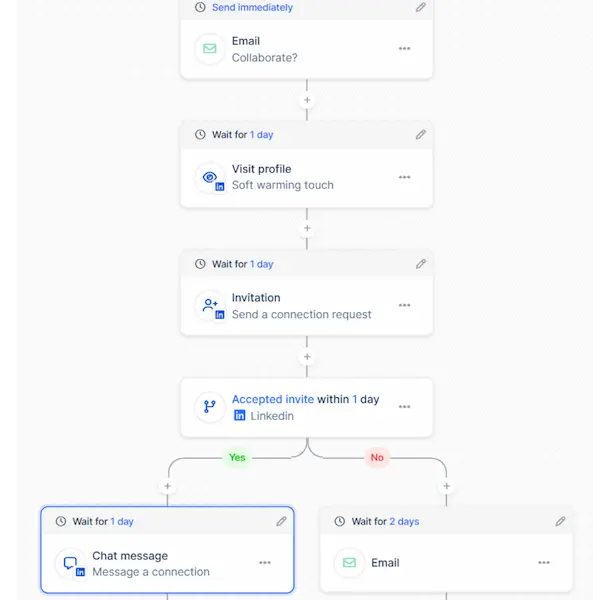
interest alone doesn’t create growth. Even when the right people are paying attention, opportunities can still be lost if there isn’t a clear plan for what happens next.
That’s why I focus on turning signals into coordinated action. Marketing, sales, and outbound efforts, and tools like Lemlist, Heyreach, or instantly help make that possible.
When everything is connected, conversations become more relevant, follow-up becomes more consistent, and opportunities are less likely to be missed.
We start seeing patterns.
The same companies keep coming back, spending time on specific pages, engaging with content, or interacting more than others.
From there, I group those accounts based on what they’re likely looking for and where they are. (Not every account needs the same message).
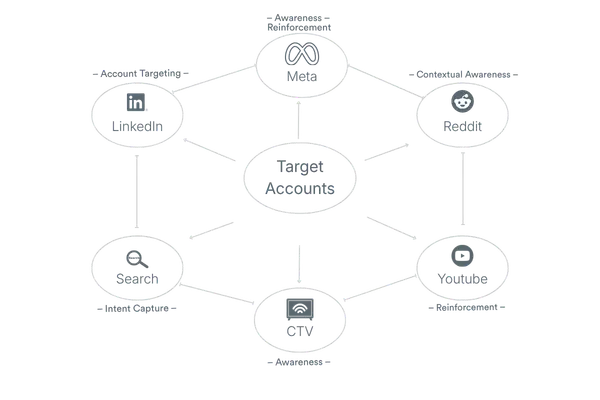
Advertising, outreach, content, and sales all work around the same accounts at the same time.
Instead of isolated activities, everything moves in the same direction.
At that point, I look at what’s actually moving.
Pipeline, conversations, conversion, not just clicks.
And I double down on what’s working.
The more environments I’ve worked in, the more I’ve realized the principle stays the same.
Whether it was building a small manufacturing business, working in e-commerce, or structuring growth programs across Europe, results improved when the system became clearer.
That’s the difference between running campaigns, and running a system.